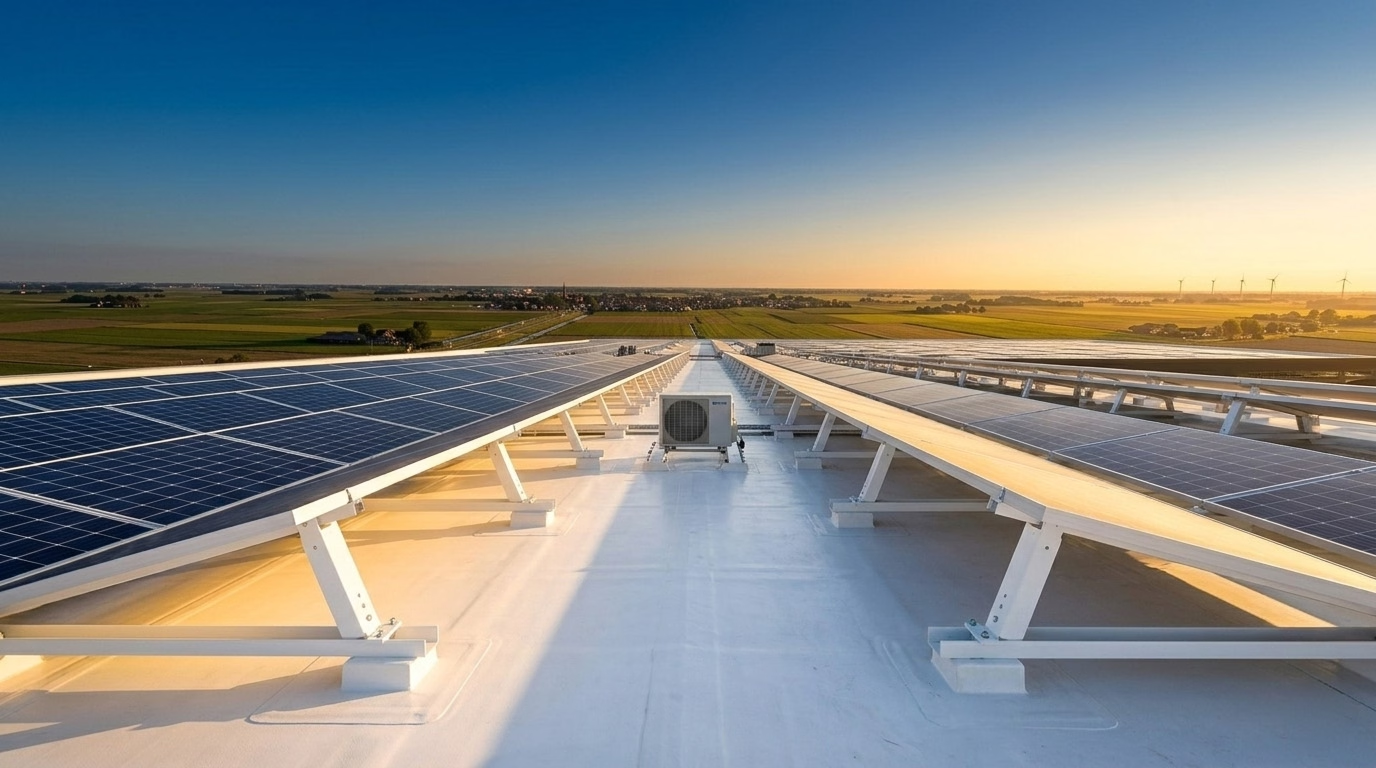

A black roof absorbs the vast majority of solar radiation. On a sunny day, the surface temperature climbs 40–50°C above the outside temperature. That heat enters your building, drives up the cooling load, and shortens the lifespan of your roof covering.
The temperature difference: black versus white
A Cool Roof reverses this process. GE Enduris 3500 achieves a sunlight reflectance of 88% and a Solar Reflectance Index (SRI) of 111. Research from the Lawrence Berkeley National Laboratory shows this leads to an indoor temperature that is 3 to 6 degrees lower — without additional energy use. For commercial buildings with cooling installations, this means a reduction in cooling load of up to 35%.
More than just heat reflection
The benefit goes beyond energy savings. Because the roof covering is no longer subject to extreme temperature swings, thermal stress as a cause of cracking and aging disappears. GE Enduris 3500 is 100% UV-stable and contains no plasticizers that can leach out. The result is a proven lifespan of more than 40 years, compared to the 10 to 15 years typical for bitumen or EPDM.
In addition, a white, high-albedo roof increases the yield of solar panels. With monofacial panels, a lower ambient temperature delivers up to 15% more output. With bifacial PV systems, TNO has measured yield gains of 15% to 17% on behalf of Cool Roof Coatings compared to installation on black roofs.